Purple Flower
A Delicate Elegance for the Embroidery Studio
As a designer who has stitched countless projects from custom apparel to boutique branding, I approach each embroidery design with a critical eye. When I first opened the Purple Flower embroidery file, I was immediately drawn to its quiet beauty. The design carries a sense of calm and sophistication that feels both timeless and modern. It’s the kind of motif that could easily find its way into a hand-stitched pillow cover or a personalized baby item, yet it also holds potential for more complex applications like custom tote bags or holiday gifts.
The First Impression: A Mood in Stitches
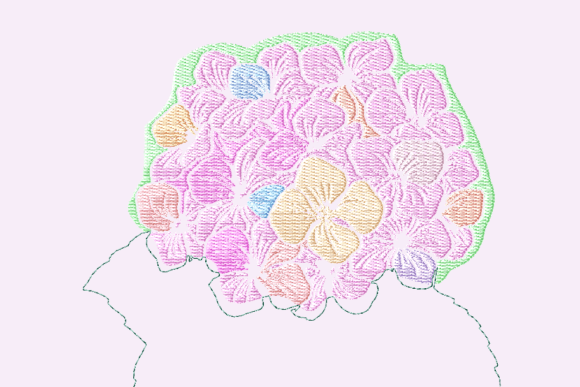
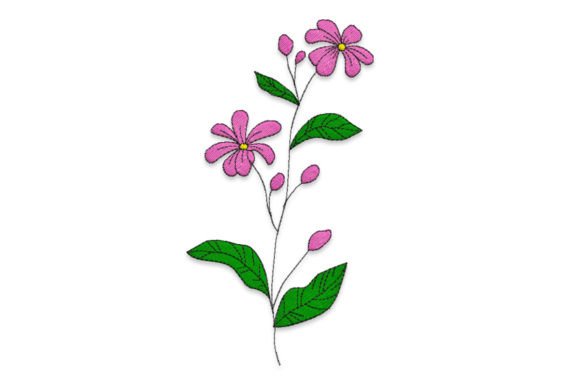
The Purple Flower is a single, detailed bloom rendered in soft hues of violet, lavender, and deep indigo. Its petals are layered with intricate detailing, suggesting a blend of satin stitch and fill stitch techniques. The overall layout is balanced, with no overwhelming elements pulling the eye away from the central flower. This makes it an excellent choice for minimalist designs or those looking to add a touch of botanical charm without clutter.
What sets this design apart is its visual personality. It doesn’t shout; it whispers. The subtle gradients and delicate shading give it a dreamlike quality that would work well on a variety of products—from a simple embroidered patch to a statement piece on a custom sweatshirt.
Real-Life Use Case: Custom Tote Bag Design
To test the practicality of Purple Flower, I envisioned using it on a custom tote bag. The design’s size and complexity make it ideal for a medium hoop, allowing enough space to maintain detail while keeping the stitching manageable. On a light-colored fabric, the flower stands out beautifully, but I’d recommend testing it on a dark background as well to ensure clarity.
When considering fabric choices, I’d suggest using a medium-weight cotton canvas or linen for the tote. These fabrics provide good stability and allow the design to breathe without losing definition. However, if the project involves stretchy or textured fabrics, additional stabilizer may be necessary to prevent distortion.
Where to Use with Care
While Purple Flower is versatile, there are situations where it might require extra attention. For instance, using it on small hoop sizes could lead to loss of detail, especially in the petal layers. Similarly, on thin or stretchy fabrics, the design may not hold up well without proper support. Darker fabrics can also reduce the visibility of the flower’s subtle color variations, so it’s worth checking how the design appears in different lighting conditions.
Another consideration is the use of Purple Flower on curved surfaces like caps or hats. The design’s layout is linear and symmetrical, which means it may not translate well to curved areas unless adjusted. In such cases, a digital mockup or test run on scrap fabric would help determine its suitability.
Design Impact on Product Value and Customer Trust
The Purple Flower has the potential to elevate the perceived value of any product it adorns. Its elegance and craftsmanship appeal to customers seeking handmade, personalized items. Whether it’s a personalized gift or a small shop product, the design adds a level of sophistication that resonates with both crafters and buyers.
From a brand consistency standpoint, the Purple Flower offers a strong visual identity that can be used across multiple product lines. It’s particularly effective for Etsy sellers or craft businesses aiming to build a cohesive brand aesthetic. However, it’s important to ensure that the design is properly licensed for commercial use before selling finished items or digital products.
Practical Designer Notes
- Test on Scrap Fabric: Always check the design on a scrap before committing to a final product. This helps identify any issues with stitch density, thread contrast, or placement.
- Check Thread Color Contrast: Ensure that the chosen thread colors complement the design’s hues and provide sufficient contrast against the fabric.
- Review Stitch Density: High-density areas may require more time and skill to stitch, so consider the skill level of your team or clients.
- Confirm Hoop Size: Use a hoop large enough to accommodate the design without stretching or distorting the stitches.
- Inspect Small Details: Pay close attention to the flower’s texture and depth, especially in the petal layers, to ensure they remain clear after stitching.
- Test in Black and White Mockups: This helps assess the design’s structure and ensures it translates well across different backgrounds.
- Use Proper Stabilizer: Especially on delicate or stretchy fabrics, a high-quality stabilizer will help maintain the design’s integrity during stitching.
- Consider Both Personal and Commercial Projects: Ensure the design works well for both individual use and larger-scale production.
- Confirm Licensing: If you plan to sell the design or its derivatives, verify the licensing terms to avoid legal complications.
Final Thoughts on Purple Flower
In conclusion, Purple Flower is a thoughtful, elegant design that offers a wide range of application possibilities. It’s a great addition to any embroidery studio, whether you’re crafting personalized gifts, custom apparel, or boutique products. With careful planning and attention to detail, this design can become a standout element in your creative repertoire. Just remember to test, adapt, and always prioritize quality in every project you undertake.